• Skip to main content
  • Skip to footer

Project Schoolhouse

Improving Nicaraguan lives by building new, community water systems, and improving sanitation.

  • About Us
    • Meet Our Team
    • Financials
    • Careers & Volunteer
    • Contact Us
  • Our Work
  • Progress
    • Stories
    • Newsletter
  • Get Involved
    • Info Sessions & Events
    • Fundraise
    • Partner With Us
    • Travel
  • Donate

News From the Field

A Message from our Executive Director

July 6, 2026 by Selina

Dear Project Schoolhouse Family, 

Twenty years ago, we drove down a rutted dirt road to a small community in rural Nicaragua, unloaded some tools and materials, and got to work alongside families who had been hauling water for hours each day just to cook, clean, and survive. We built a school together, but heard that water was the more critical need. So, in the next community project, we added a clean water system. We celebrated together. And then, as we always do, we moved on to the next community waiting for help.

But this year, as we mark our 20th anniversary, we’ve been asking ourselves a different question: “How have these communities fared in the years since?”

That question has been leading us back — back up those same roads, back to communities where we broke ground years ago — to see whether the work has lasted. What we’ve found has been both humbling and energizing.

The Systems Are Running. But It Takes Real Work.

The good news: in community after community, the water is flowing. The gravity-flow systems we built together — tapping mountain springs, running lines downhill into homes — are doing exactly what they were designed to do. No pumps, no electricity, no moving parts. Simple by design.

But clean water doesn’t sustain itself. Every system we’ve ever built depends on one thing above all others: a functioning Community Water Board.

These are volunteer committees, elected by their neighbors, who oversee maintenance, collect monthly meter fees, manage a maintenance fund, and ensure the water in their community remains safe to drink. They are the unsung backbone of everything we’ve built.

And here is the truth we want to share: being a Water Board member is genuinely hard.

Farmers First, Board Members Second

The families in the communities where we work are, almost universally, small-scale agricultural farmers. Their lives are full, and often precarious. A bad rainy season can mean a very difficult year.

Asking these same neighbors to also serve as community water administrators is a significant ask. A board treasurer must track every córdoba collected from meter fees, keep records of maintenance expenses, and steward a fund the whole community depends on. A board president must call meetings, navigate disputes about unpaid fees, and decide when to repair and when to wait.

None of this comes naturally. It requires organization, consistency, and administrative skill that most board members are learning on the job, while also harvesting their crops.

Where Project Schoolhouse Comes In

This is where our return visits have become so meaningful. Going back to communities isn’t just about checking on the pipes. It’s about checking on the people responsible for the pipes.

When we return, we sit down with the Water Board. We review records together, help strengthen simple accounting systems for the maintenance fund, and work through the math of what meter fees need to cover — not just today’s small repairs, but larger needs that could arise years down the road. We help boards think through how to handle a household that has fallen behind on payments, or how to respond when a neighbor questions how the fund is being used.

When technical expertise is needed — a cracked pipe, a filtration issue, a water quality question — we bring or connect that expertise. But we are always clear: the technical support is ours to offer. The governance, the organization, the community trust? That belongs to the water board. Ultimately, communities are the first line of defense for the water their children drink. And that is as it should be.

Tab Barker and Community Members Reviewing Progress of Water Project -2019

A 20th Year Worthy of the Journey

Returning to our earliest communities has reminded us why community ownership was never just an aspirational value — it is the mechanism by which a water system built in 2009 is still running in 2026.

We still have a long waitlist of communities ready to break ground on new projects. We will keep building. But this year, we are weaving in the work of return — revisiting, reinforcing, and recommitting to the communities that trusted us first.

You made this work possible then, and you make it possible now. Thank you for being with us through all twenty years of it.

With deep gratitude,

Selina
Executive Director

–

Click here to download and read the full 2025 progress report.


Sign up to receive our quarterly newsletter here!

Filed Under: Community Engagement, News From the Field, People Driven Development, Water Tagged With: July 2026 Newsletter

The Power of Trust: How We’re Funded Shapes the Work We Can Accomplish

July 6, 2026 by Project Schoolhouse

Written by Dennis Passovoy, Board Member

When Victorina finally had safe water flowing into her home after 75 years of life without it, no one asked her to document the milestone in triplicate. The water was simply there — clean, gravity-fed, dependable — because the people who believed in this work trusted the people doing it.

That trust is not a small thing. In the world of nonprofit funding, it is actually quite rare. And it makes an enormous difference — not just to us as an organization, but to the communities in Nicaragua whose lives we are here to help transform.

We want to take a moment to talk about something that doesn’t often appear in these pages: how we are funded, and why it matters so much to the work.

What Is Trust-Based Philanthropy?

Trust-based philanthropy is built on a simple but powerful idea: funders who trust the organizations they support and give them flexibility produce better outcomes than those who do not. In practice, this means unrestricted, multi-year grants with streamlined reporting — funders doing their due diligence upfront, then stepping back to let the experts do what they do best.

The alternative is common and costly. Many grant relationships require exhaustive applications, rigid reporting timelines, and restrictions that prohibit funding from covering salaries or overhead — precisely the things that allow good work to get done. And when circumstances on the ground change, as they inevitably do in remote communities, the flexibility to adapt is often missing.

The Hidden Cost of Distrust

We have worked in some of the most remote communities in Nicaragua for two decades. Our team is lean and deeply expert. What we cannot afford is time and focus diverted away from that mission.

When applications require months of compliance documentation, that is time not spent on project planning or community relationships. When restrictions prohibit covering operational costs, we are left stitching together funding sources just to keep the lights on. The administrative overhead that highly controlled philanthropy demands has a real human cost — borne by the communities furthest from the decision-making table.

We clearly understand the need for oversight. “Trust” doesn’t mean “hand over the check and step away.” It means trust but verify.

What Trust Looks Like in Practice

We have been fortunate to be supported by donors and foundations who have chosen to trust us — reviewed our financials and track record, visited communities where we’ve worked, and then given us the flexibility to put their investment to work the way we know best. That trust is something we earn and are accountable for every single day.

The most powerful recent example is a catalyzing grant from the LDS Foundation, which funded the Ponsoña multi-community water, school, and sanitation project — the largest undertaking in Project Schoolhouse’s history. Rather than prescribing narrow deliverables, the LDS Foundation invested in our mission and proven approach, trusting us to apply it across seven communities at once. Critically, it allowed us to invest in in-country leadership and community organizing capacity — something a more restrictive grant may not have permitted — making us a stronger partner for every community in our pipeline.

This is also a natural expression of our community-centered model. We only go where we are invited. We only build what communities have asked for. When our funders extend that same philosophy to us — trusting the experts closest to the work — it creates a virtuous cycle all the way from donor to schoolhouse to student.

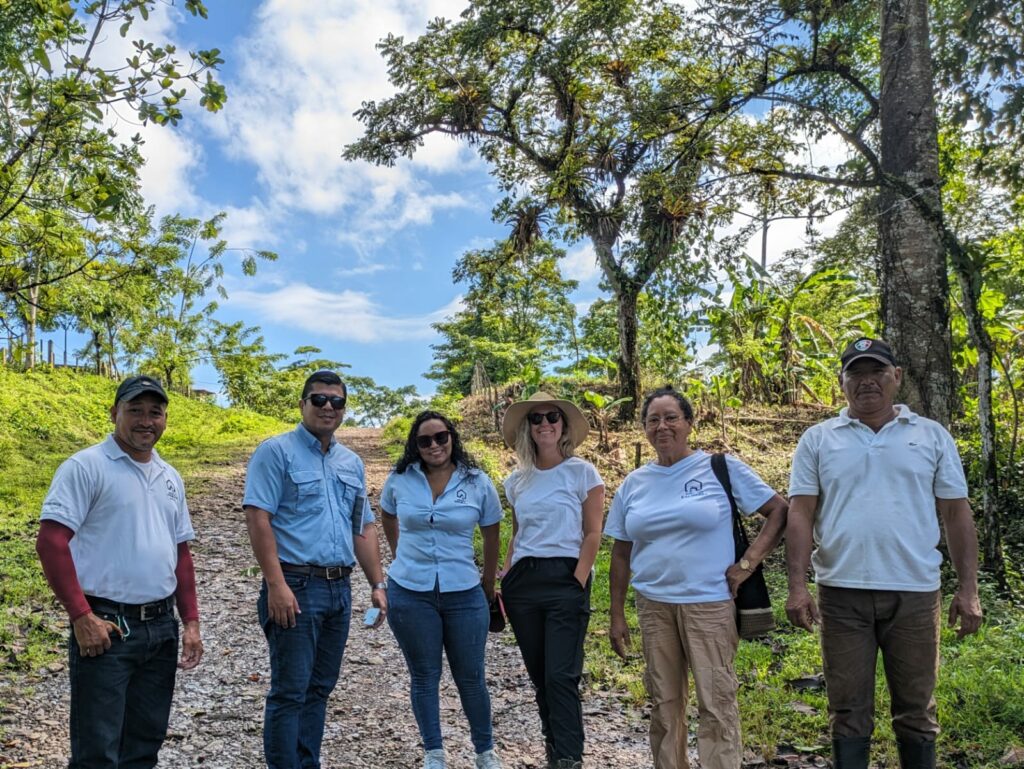
Project Schoolhouse and LDS Teams Visiting Communities in 2023

An Invitation

If you are a donor to Project Schoolhouse, thank you. Your trust is the foundation on which everything we do is built. If you are considering a larger gift or partnership, we welcome that conversation.

Victorina’s water is still running. The children of La Ponsoñita are learning in a new school. Seven communities above Rio Blanco are closer to safe water than they have ever been.

That is what trust makes possible.

To learn more about partnering with Project Schoolhouse, visit projectschoolhouse.org/partner or reach out to us at info@projectschoolhouse.org.


Watch our short film “Victorina”


Sign up to receive our quarterly newsletter here!

Filed Under: Community Engagement, Interns, News From the Field, People Driven Development Tagged With: July 2026 Newsletter

Ponsoña Water and Sanitation Project Phase 2 Underway 

July 6, 2026 by Renata

After the major success of completing Phase 1 of the Ponsoña Multi-Community Water Project in 2025, our team is returning with momentum as we move into Phase 2.

Community Volunteers and Team Carrying Supplies to La Libertad Community

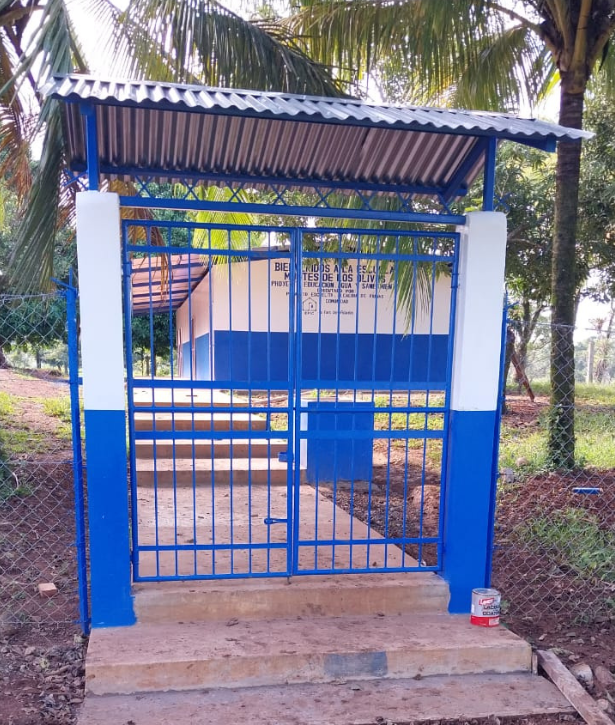
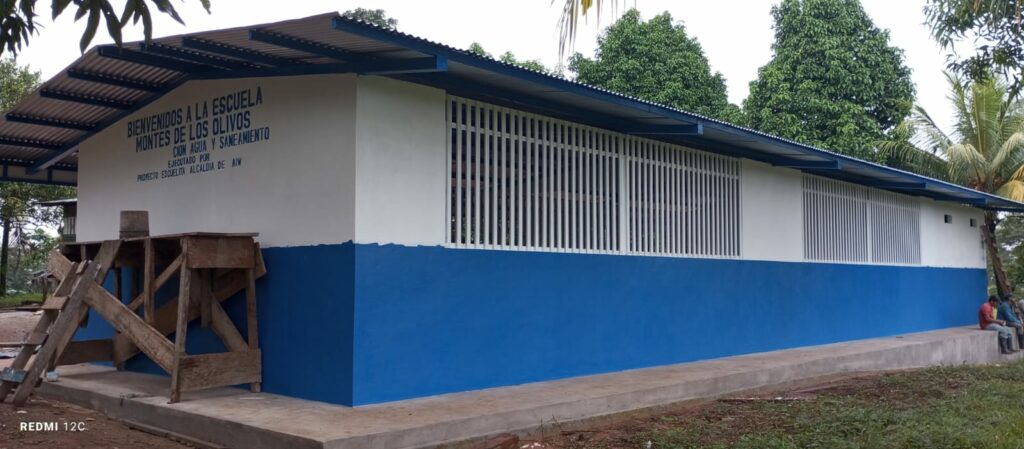
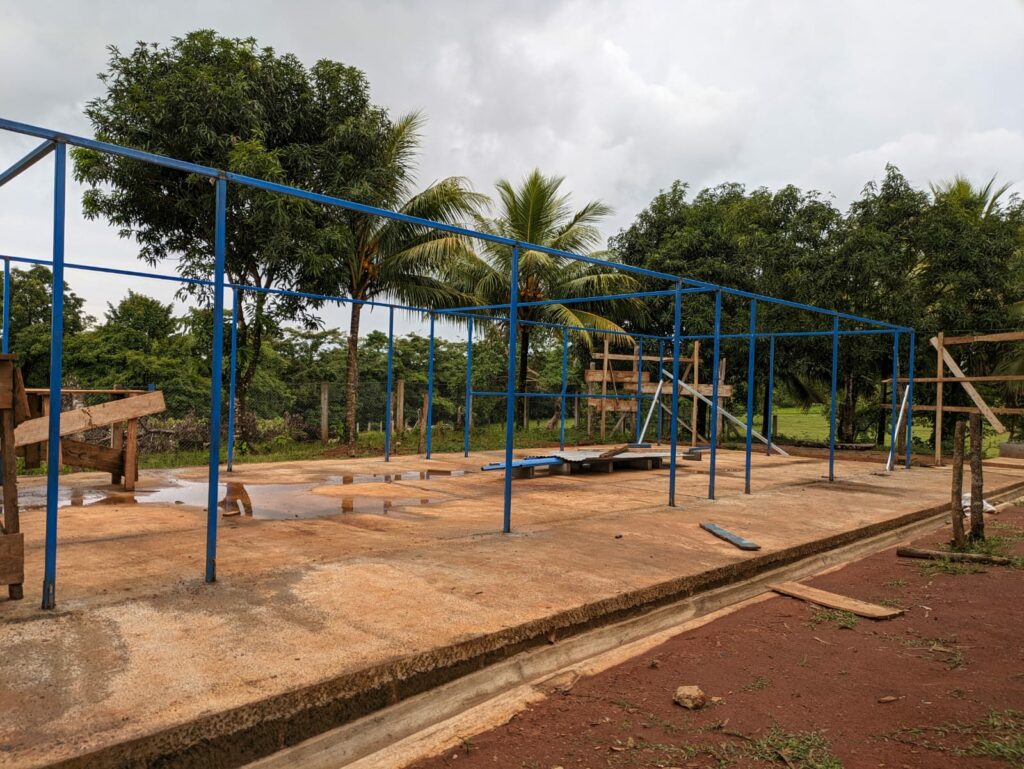
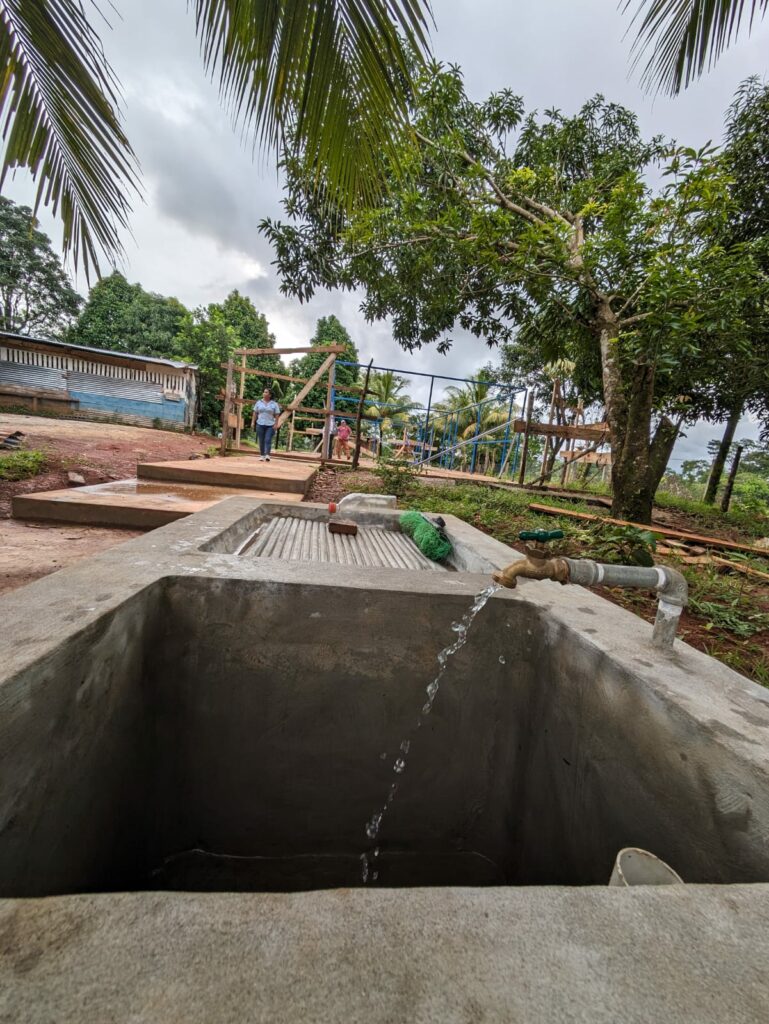
Alongside volunteer community members, the team is racing against the approaching rainy season to deliver materials to the community of La Libertad, one of 3 communities in Phase 2 waiting for water. In addition to the water project, there will be repairs to the school’s decaying roof and dangerously damaged sidewalk, installation of a fence to keep cattle and critters out of the school area, and installation of a handwashing station and latrines.

After this work is complete, the team will move on to the other 2 communities in the region where repairs will be more extensive, including two additional new classrooms, new handwashing stations, latrines, and safe, potable water. 

Community Volunteers and Team Trenching in La Libertad Community

We particularly want to express our appreciation for the partnership of The Church of Jesus Christ of Latter-day Saints and Latter-day Saint Charities Australia for trusting Project Schoolhouse to deliver progress towards our shared mission of supporting our neighbors in need.

Stay tuned for more updates as we move into the second half of 2026!


View the Ponsoña Phase 1 Photo Gallery


Sign up to receive our quarterly newsletter here!


Filed Under: Clean Water, Community Engagement, Education, Meet Stories, News From the Field, People Driven Development, Water Tagged With: April 2026 Newsletter

A New Chapter for Our After-School Clubs

July 6, 2026 by Renata

 El Aulo Trains Kiwaska Community to Launch a Second After-School Club
Early this year, our team met with the local school board in the community of Kiwaska to explore expanding programming and assess interest in launching a new After-School Club. 

During the visit, our After-School Club Coordinator, Cristian, hosted a well-attended parents’ meeting and was encouraged by the strong volunteer interest from community members eager to help lead the program.

By March, we’d begun a new chapter in the Kiwaska: Volunteers from our still-thriving El Aulo After-School Club, now in its 6th year of operation, trained and mentored a new group of volunteers as they prepared to launch their own program. 

Kiwaska After-School Club Volunteers During Training

Just a few days ago, our team on the ground delivered a much-needed resource: children’s books for their new mini library. Pictured here is our after-school program coordinator, Cristian, crossing the river by canoe (then continuing on by horseback) to deliver the books.

Cristian Crossing Tuma River on a Canoe
Cristian on Horseback to Kiwaska
Books for Mini-Library

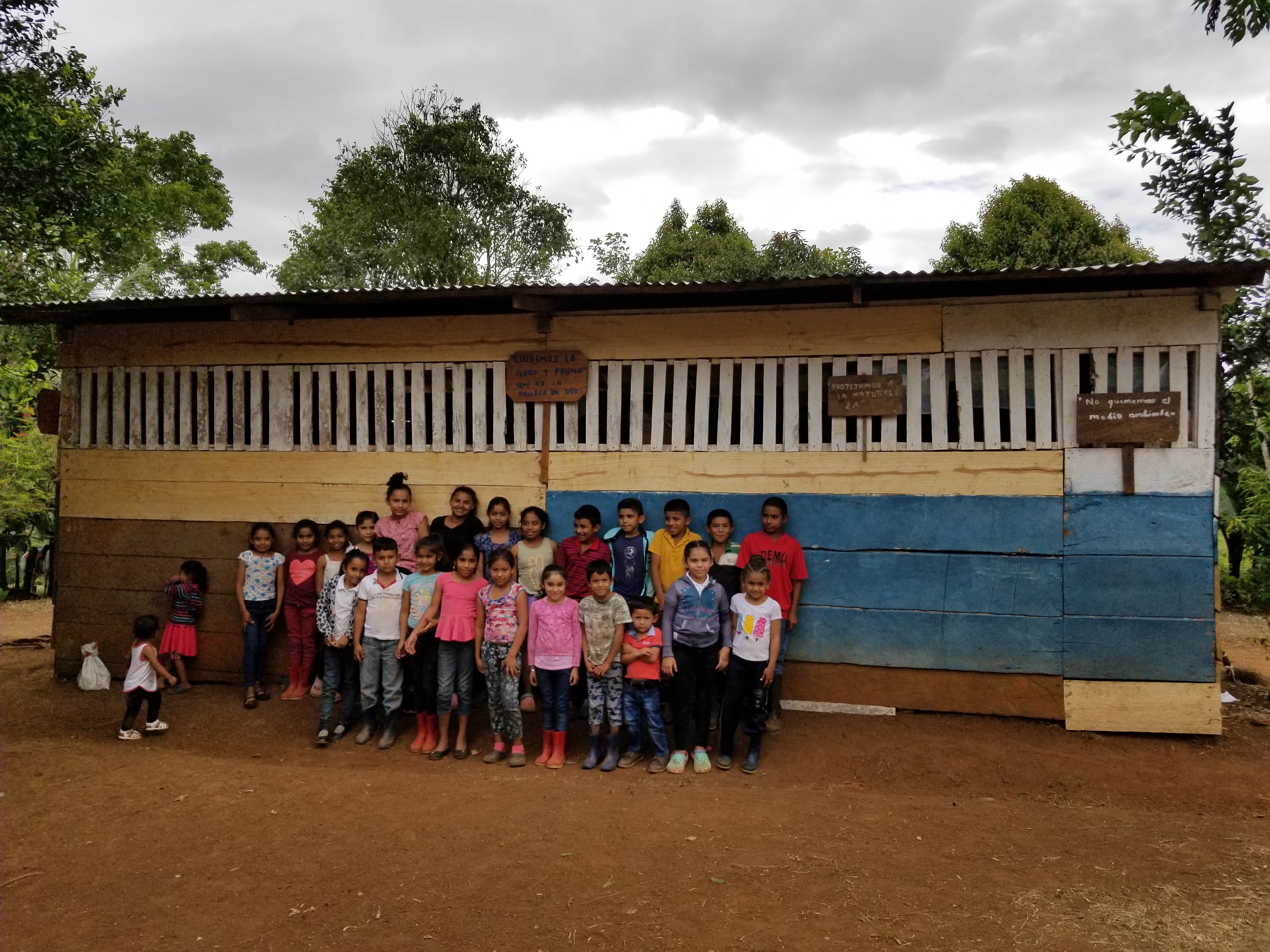
Kiwaska holds a special place in our hearts — it was the very first school built by Project Schoolhouse 20 years ago (the original 2007 school structure pictured on the right), and we’re proud to see how far it has come. Since its founding, the school has added an additional teacher and now offers Saturday high school classes so students can continue their high school education close to home, along with weekday adult literacy programs. It’s a powerful reminder of what these projects can accomplish in the long run and a testament to the care and dedication of the school board and the entire community’s lasting commitment to education.

Returning to launch a new program here feels especially meaningful to our team, and we were thrilled by the warm welcome and the excited volunteers from the community. 

However, significant challenges remain. This community has never had direct access to safe water, and the nearest water source is a 20-minute walk from the school, a daily challenge for families and one we hope to change, step by step.

Stay tuned for more Club updates as we move into the second half of 2026! 


Sign up to receive our quarterly newsletter here!

Filed Under: Community Engagement, Education, News From the Field, People Driven Development Tagged With: July 2026 Newsletter

Ponsoña Water & Sanitation Project: Phase 1 is Complete!

April 15, 2026 by Project Schoolhouse

In 2025, Project Schoolhouse launched the most ambitious infrastructure effort in our 20-year history: a unified water and sanitation project serving seven communities in the La Ponsoña region of Matagalpa, Nicaragua. At the heart of this effort is a single mountain spring with enough flow and pressure to supply clean, potable water to more than 2,000 people — leveraging one water source to multiply impact across an entire region. 

Volunteer community members building the primary water capture dam 

For an entire year, 25 to 30 community volunteers showed up each day, rain or shine, working toward the dream of clean water in their homes. Construction began with transporting materials up the mountain by truck and on foot, and in the steepest stretches, mules carried what trucks could not. Community members cleared the work site by hand and carried thousands of pounds of sand and cement up the mountain. Boulders dug out of the river were used to form the foundation of the filtration system 

2025 Water Project Accomplishments 

  • Mountaintop spring capture completed 
  • Slow-sand filtration system built at summit 
  • Three pressurization tanks installed along the distribution route 
  • Chlorination units added to ensure water safety 
  • Primary conduction lines trenched from the summit to the pressurization tanks 
  • Distribution lines trenched (by hand!) to reach 74 family homes 
  • 74 families in 4 communities now have clean water in their homes and at their schools! 

This completed mountain-top water infrastructure forms the backbone of the entire regional water system — serving the four Phase 1 communities now and laying the foundation for Phase 2 expansion in 2026. 

Sanitation: A Foundation for Health & Dignity 

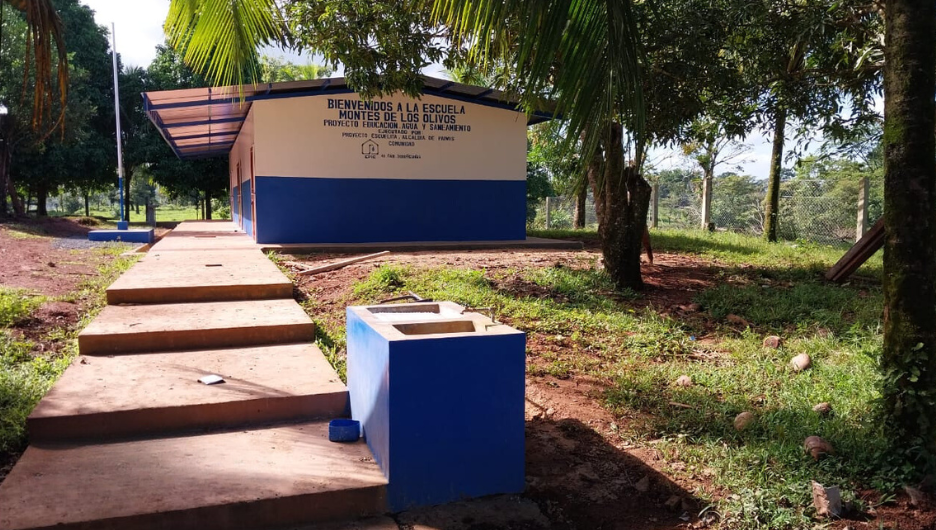
Clean water alone is not enough. Project Schoolhouse’s comprehensive approach to building life-saving infrastructure ensures that every community we serve also receives the sanitation systems needed to protect the watershed and the health of the families in the community. 

Community members, including children, took an active role in building their own latrines. This hands-on participation is central to Project Schoolhouse’s model: when families help build a project, they take ownership and maintain it well into the future. 

2025 Sanitation Accomplishments 

woman in front of new latrine
  • 74 sanitary latrines constructed for homes in four communities 
  • 2 handwashing stations installed at community schools
  • Every family served trained in proper latrine use and maintenance
  • Every family served trained in proper latrine use and maintenance
  • Community hygiene education classes provided to families and school children

We particularly want to appreciate the partnership of The Church of Jesus Christ of Latter-day Saints and Latter-day Saint Charities Australia for trusting in Project Schoolhouse to deliver progress towards our shared mission, supporting our neighbors in need.

Community member with new latrine
A girl helping build her family’s new latrine
Pouring cement for latrine foundation

Sign up to receive our quarterly newsletter here!


Filed Under: Clean Water, Community Engagement, Education, Meet Stories, News From the Field, People Driven Development, Water Tagged With: 2025 Progress Report, April 2026 Newsletter

After-School Club Program

April 15, 2026 by Renata

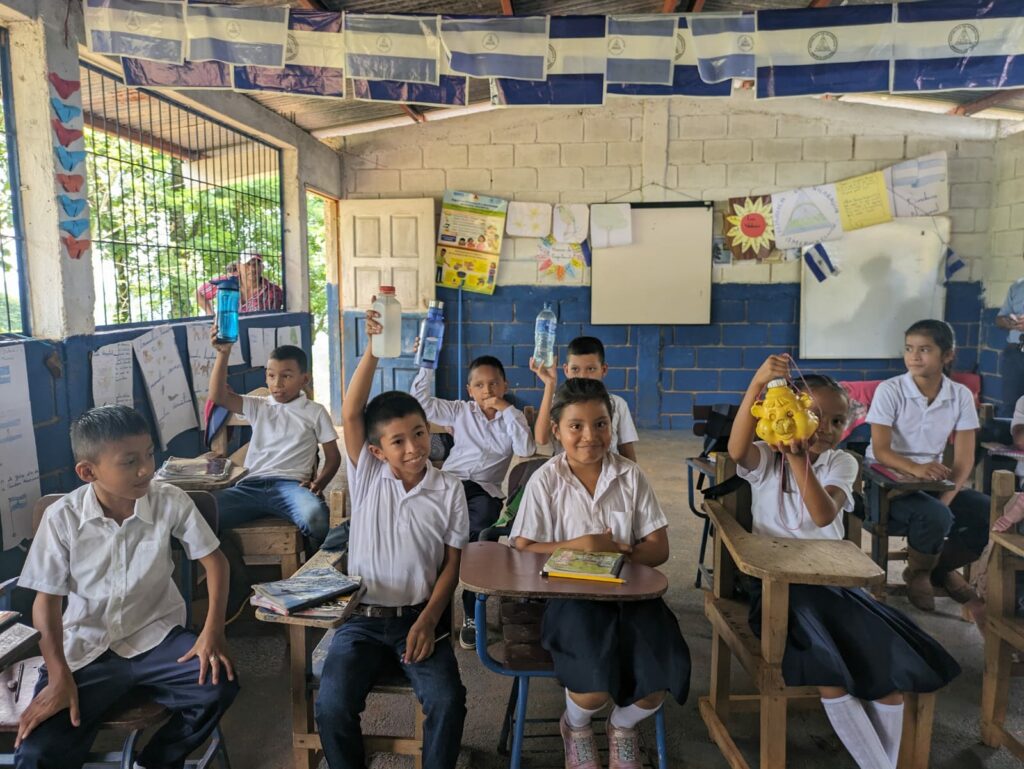
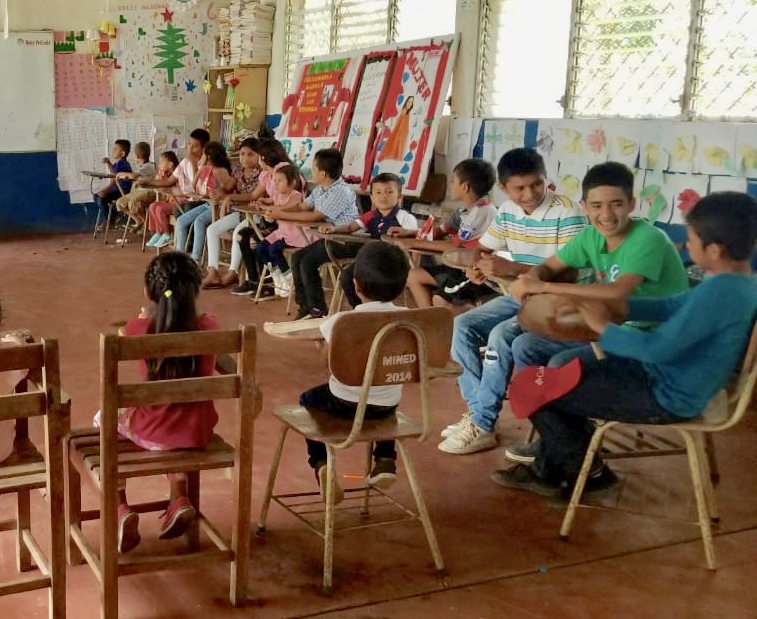
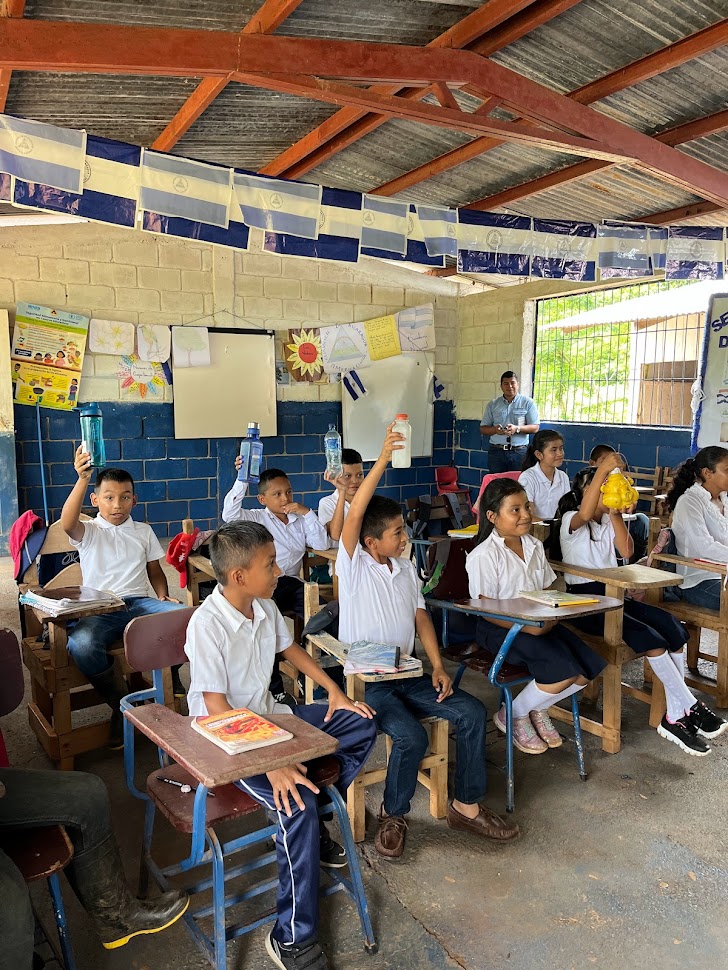
Launched in 2021, this is the 5th year our After-School Clubs have been operating, with the goal of creating engaging opportunities that motivate students in the communities where we work to stay in school and fall in love with learning.  

In many rural schools, there is typically one teacher teaching grades 1-6 at the same time, leaving students with very little individualized attention. Many students who are already struggling with learning, with few electives or enrichment activities available, feel uninspired to continue their studies and drop out of school entirely. 

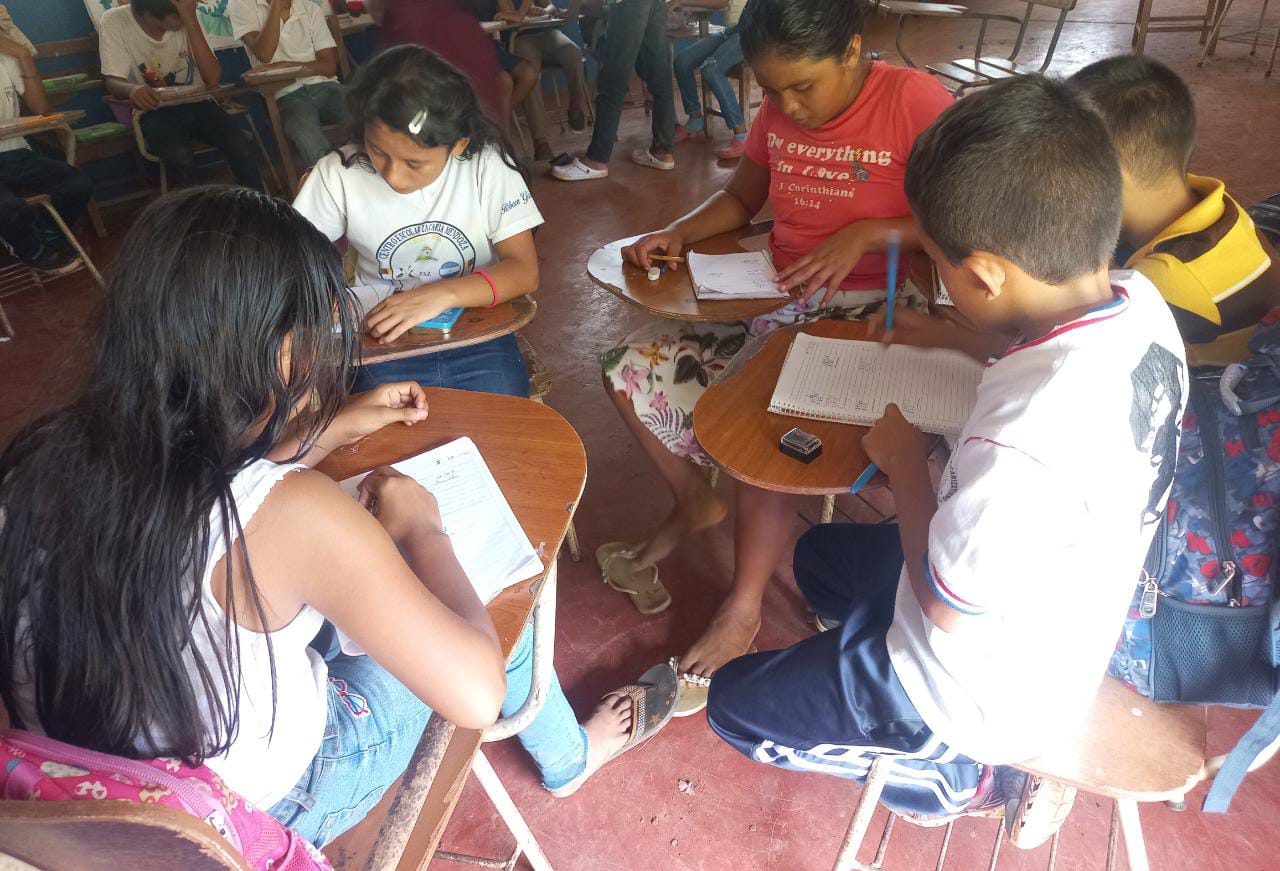
After-School Club Participants

Our After-School Club helps bridge that gap. Through one-on-one homework support, storytime, creative activities, and dedicated mentorship, students receive the support they can’t get during the school day or at home. 

The results show positive changes due to the Club: school enrollment has increased, grade averages have improved, and children receive the support they need to continue their studies. 

In 2025 alone, we: 

  • Instilled a love of learning in 50 students with the help of 3 teacher volunteers
  • Served 100 meals, prepared by 10 mother volunteers

“I have been a member of the Club for 4 years. I enjoy participating because I learned how to read, write and like to participate in all the activities in the Club. What I like most about the Club is that I didn’t know how to subtract, and now I do, and my writing style has improved. My parents encouraged me to keep going!” – Elena P.


Sign up to receive our quarterly newsletter here!

Filed Under: Community Engagement, Education, News From the Field, People Driven Development Tagged With: 2025 Progress Report, April 2026 Newsletter

A Message from our Executive Director

April 15, 2026 by Selina

Dear Project Schoolhouse Family, 

As we look back on the incredible progress of 2025, we are also standing on the threshold of a monumental milestone: Project Schoolhouse is entering its 20th year of work. Two decades ago, we began with a simple belief: that every child, regardless of how remote their village, deserves a safe place to learn and clean water to drink. What started as a single project has grown into a movement of “believers”— a global network of donors like you, working hand-in-hand with the most resilient communities in rural Nicaragua.

Your support this past year allowed us to accelerate our pace and deepen our impact in ways we once only dreamed of. 

  • The Ponsoña Powerhouse: We completed Phase 1 of our most ambitious water project to date. By tapping a single water source, we brought clean water to four communities.
  • The After-School Evolution: We continued our After-School Clubs which show that, by providing targeted tutoring and mentorship, we aren’t just building classrooms, we are ensuring the students have the support they need to succeed. 

Looking Ahead to 2026

Our 20th anniversary isn’t just a time to look back; it’s a launchpad. We have a multi-year long wait list of communities ready to pick up their shovels. They have the will; they just need the resources. 

Thank you for being part of this 20-year journey. Whether you’ve been with us since the first project, or joined us this year, you are the reason these communities are rising.

Our progress:
2026 progress icons

With deep gratitude and excitement for the years ahead. 

Selina
Executive Director

Click here to download and read the full 2025 progress report.


Sign up to receive our quarterly newsletter here!

Filed Under: News From the Field, People Driven Development, Water Tagged With: 2025 Progress Report, April 2026 Newsletter

Monitoring and Evaluation, in partnership with UT Austin

December 19, 2025 by Renata

Written by Dr. Marilyn Felkner, Board Advisor and Clinical Assistant Professor at The University of Texas at Austin

What gets measured improves; what gets measured and reported improves dramatically.  Project Schoolhouse and students in The University of Texas at Austin Public Health Program take it to heart.  Since 2019, when Selina Serna and Marilyn Felkner met, and Marilyn discovered that Project Schoolhouse works in the departamento where she had first been introduced to public health 40 years earlier, they have worked continually to optimize measuring and reporting community improvements made possible by Project Schoolhouse. 

Students first focused on standardizing the Project Schoolhouse questionnaire with data comparable to that collected by global institutions such as WHO and UNICEF.  Next, they converted to digital data collection, making it easier to collect data in the field and transfer data from Nicaragua to Austin.  During the Fall 2025 semester, students analyzed data from 8 communities comparing education and family health before and after PSH projects. Next semester, the students will refine the analysis for reporting to donors, grant organizations, and social media followers. 

(Pictured on the left is our Programs Coordinator Norma Valdez hiking to into a community to gather survey data)


Project Schoolhouse is improving education at UT as well as in Nicaragua.  What began as a couple of students per year doing internships has evolved into a 3-credit hour course taken by 60 students each academic year.  As one student summarized her experience, “…the research we did for Project Schoolhouse gave me an invaluable opportunity to apply what we learned to real-world issues.”

We look forward to sharing the data and findings in coming newsletters!


Sign up to receive our quarterly newsletter here!

Filed Under: Community Engagement, Interns, News From the Field, People Driven Development Tagged With: December 2025 Newsletter

  • Page 1
  • Page 2
  • Page 3
  • Interim pages omitted …
  • Page 7
  • Go to Next Page »
  • About Us
  • Our Work
  • Progress
  • Get Involved
  • Donate
  • Contact Us
  • Privacy Policy

Footer

  • Email
  • Facebook
  • Instagram
  • LinkedIn
  • Vimeo