• Skip to main content
  • Skip to footer

Project Schoolhouse

- Dennis Passovoy, Project Schoolhouse Board Member

  • About Us
    • Meet Our Team
    • Financials
    • Careers & Volunteer
    • Contact Us
  • Our Work
  • Progress
    • Stories
    • Newsletter
  • Get Involved
    • Info Sessions & Events
    • Fundraise
    • Partner With Us
    • Travel
  • Donate

October 2026 Newsletter

Catching a Drop of Water: Rainwater Collection and Why it Makes Sense

October 30, 2026 by bigshifter

For most of the communities we serve, clean water arrives the way it always has for Project Schoolhouse: through a spring-fed, gravity-flow system that we survey, engineer, and build alongside the families who will use it for generations. It’s the gold standard; and it’s why our water projects last. But these systems take time and money. A full topography study, trenching, and distribution network can take years to reach a community. Years is a long time to keep drinking polluted water from the local river.

That gap is exactly what Rainewable was built to close.
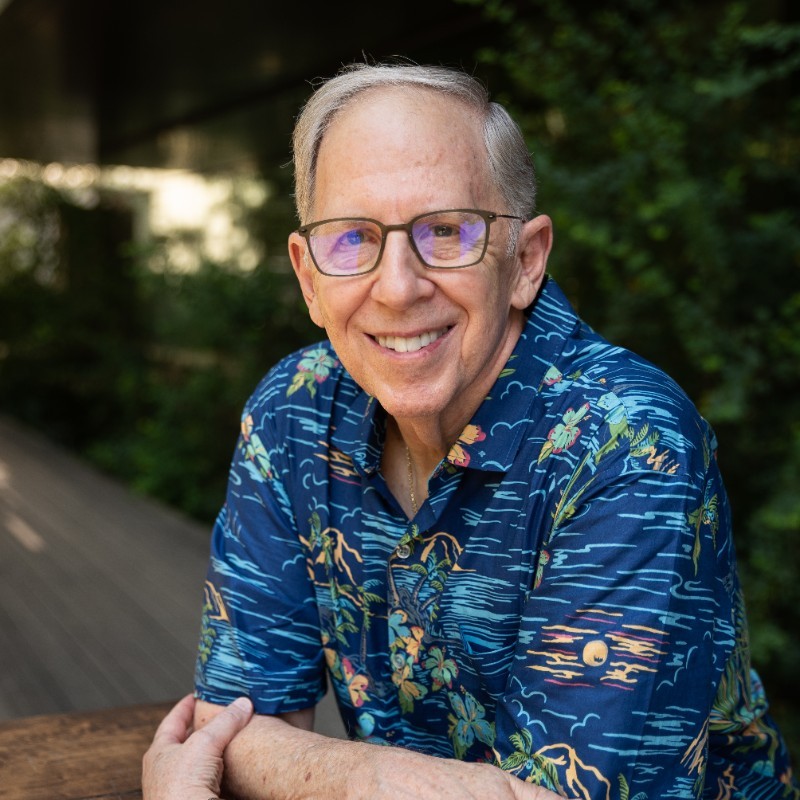
Dennis Passovoy,
Educator, Entrepreneur & Project Schoohouse Board Member

Why Waiting Is the Problem

Roughly 61% of Nicaraguans lack reliable access to potable water, leaving an estimated 1.7 million people relying on unsafe water for drinking, cooking, and bathing.1 According to UNICEF’s 2020 Nicaragua country profile, waterborne illness accounts for 18% of deaths among children under five. Every rainy season, every dry season, and every meal prepared with contaminated water represents continued exposure.

The burden also falls disproportionately on women and girls.  -UNICEF estimates that women and girls worldwide spend roughly 200 million hours every day collecting water; time taken from school, work, and rest. In communities without household water, walking to a river or stream is simply part of daily life.

Project Schoolhouse’s pipeline for a fully distributed, gravity-fed system can take up to ten years from first contact with a community to water flowing into every home. Ten years is a long time for a five-year-old to become a fifteen-year-old drinking contaminated water. We needed a solution that could provide safer water in days rather than years and for a few thousand dollars rather than tens of thousands.
What Is Rainewable?

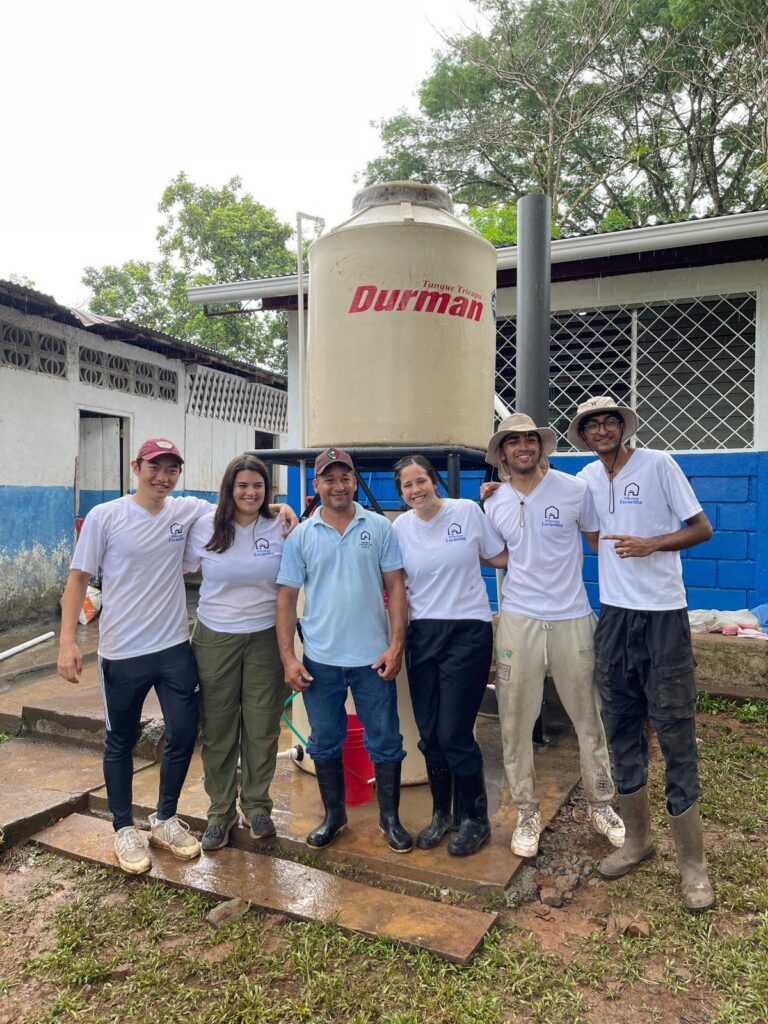
Rainewable is a low-cost, low-maintenance rainwater catchment and filtration system developed in partnership with the Texas Enactus team at the University of Texas at Austin.

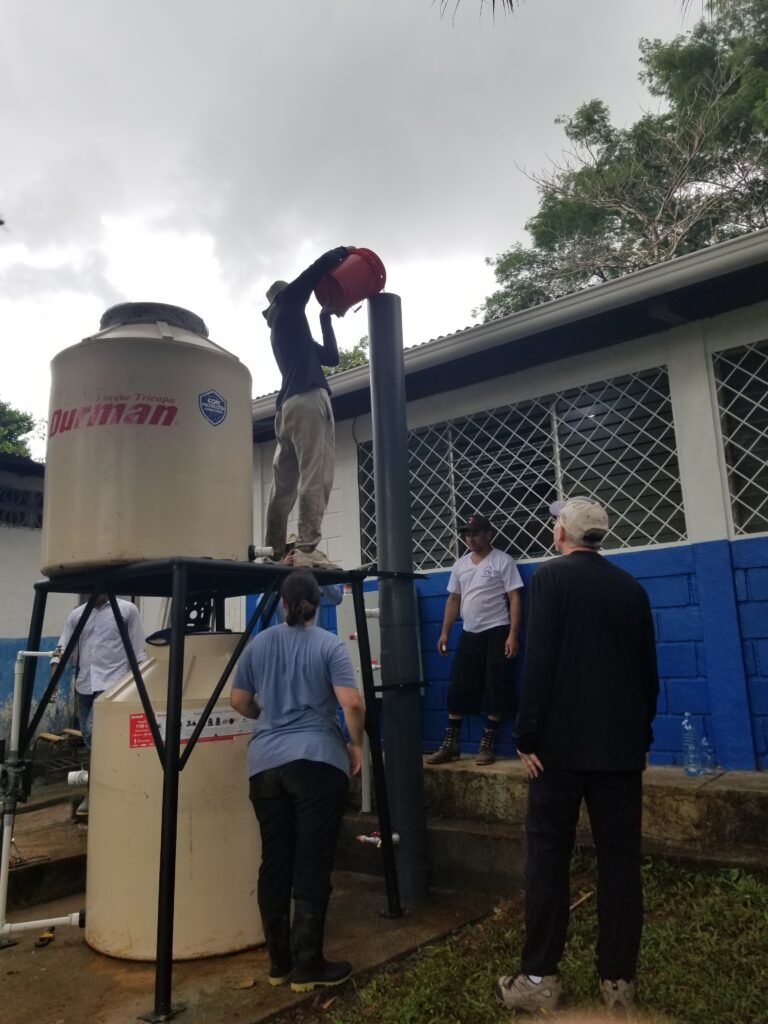
The concept is simple. Rain falling on a tin roof is channeled through gutters into a first barrel, where sediment settles. The water then passes through sand and gravel filtration into a second, sealed barrel of clean water. Rio Blanco receives roughly 140 inches of rainfall annually, making rainwater collection a practical solution.

The system requires no electricity, pump, or fuel. In communities where the nearest hardware store may be hours away by unpaved roads, that simplicity matters.

Built for the Communities We Serve

The design evolved through field testing. UT students first prototyped a remotely monitored version in Austin, then traveled to Nicaragua and rebuilt it alongside our head builder, Manuel. Using locally available PVC, hardware, and hand-sifted sand, the team transformed an academic prototype into a system a rural community could realistically maintain: two large barrels, no electronics, and no moving parts that can easily fail.

The finished system can be built on-site in about four days for under $5,000, a fraction of the time and cost of a fully distributed system.

San Isidro, Nicaragua: The First Installation

The first full Rainewable system was installed at the school in San Isidro, a farming community of roughly 300 residents whose primary water source was a river shared with livestock and consistently contaminated.

Before the system, fetching water was a daily responsibility that fell disproportionately on the school’s youngest girls, contributing to missed classes and illness. With the catchment system feeding the schoolyard, students can wash their hands between lessons and after using the outhouse. In its first year, the system served approximately 300 residents, including 40 students directly, while helping strengthen community hygiene knowledge and practices.

Most importantly, the system became something the community built and maintained rather than simply received.

Weighing the Design

Rainewable is not intended to replace our permanent spring-fed systems. It is a way to provide safer water while a community waits for a fully distributed system.

Rainewable is a bridge, not a destination: a practical way to provide safer water now while a permanent system moves through the pipeline.

It’s a small footprint of concrete, PVC, and rain barrels. But for a classroom that currently has no safe water, it can mean the difference between a school day interrupted by a walk to the river and one that isn’t.

1WHO/UNICEF Joint Monitoring Programme for Water Supply, Sanitation and Hygiene

Sign up to receive our quarterly newsletter here!


Filed Under: Clean Water, Community Engagement, Education, Meet Stories, News From the Field, People Driven Development, Water Tagged With: October 2026 Newsletter

Ponsoña Phase II: Early Water Access Is Here, and Homes Are Next

October 30, 2026 by Project Schoolhouse

Families in the Ponsoña region of Nicaragua are already drinking clean water from public access points, including at schools, while the team and communities work to bring the network to every home. With 75% of the Phase II network complete and construction months ahead of schedule, that goal is getting closer faster than planned.

Early Water Access Is Already Changing Daily Life

Phase II is already serving families in Cabecera Paiwas, La Libertad, and Puente Paiwas through public water access points:

  • Cabecera Paiwas: a new public water point is now serving the community.
  • Puente Paiwas: three public water points have been enabled.
  • Schools and churches in these communities are part of the project, so students, worshippers, and neighbors have a safe source close by.

These access points are an important first step. Families no longer have to rely on distant and unsafe sources for every drop they use.

The Goal: Clean Water at Home

Public water points are not the finish line. The ultimate goal is water in every home. When water flows at the household level, girls and women no longer have to spend hours carrying it, and families no longer have to store it in open containers where it can become contaminated and lead to water-borne illness. Clean water at home means more time for school, work, and better health for everyone.

Months Ahead of Schedule, Thanks to the Families Themselves

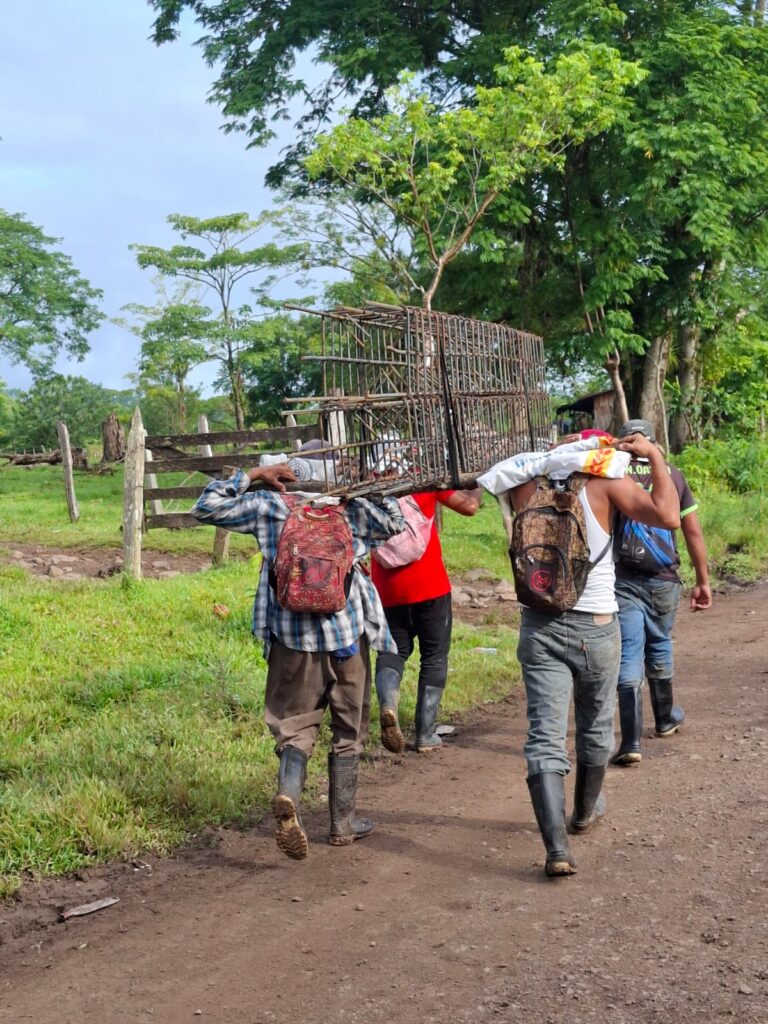
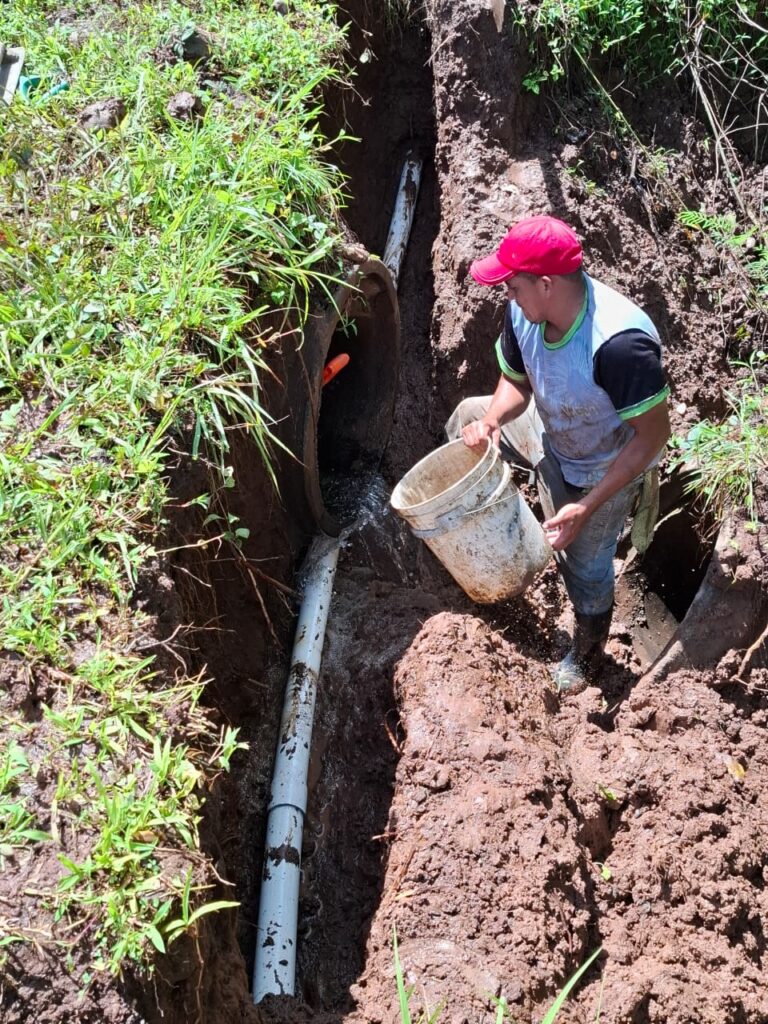
The project team is months ahead of schedule, thanks to the communities’ commitment. Families have gone above and beyond, volunteering their time and labor to dig the trenches that will carry water to their own neighborhoods. Community members have now excavated more than 21 kilometers of trenching. After completing 16.7 kilometers by August, they added another 4.4 kilometers in September.

The work isn’t only underground. Where the network crosses streams, roads, and other natural obstacles, the project needs specially designed overhead pipeline crossings. A second aerial pipeline bridge has been built, with more planned. Each is small next to the kilometers of trenching, but each is essential to carrying water toward homes.

The Road Ahead

The remaining work is clearly defined:

  • Paiwitas sector: 3.5 kilometers of distribution network still to excavate
  • Overhead crossings: construction of additional bridges continues
  • Household water access points and meters: installation to follow

Built by Communities, Backed by Generous Partners

What began as a plan to connect communities to a shared water source is now a physical network across the region. Families who prioritize clean water access are building it, with support from Project Schoolhouse donors and partners.

We remain deeply grateful to The Church of Jesus Christ of Latter-day Saints for its financial support of this multi-community project. Its generosity has helped make possible a system that will serve families across the region for years to come.

Step by step, kilometer by kilometer, clean water is moving closer to the families still waiting, and to the day it flows from a tap in their own homes.


Sign up to receive our quarterly newsletter here!


Filed Under: Clean Water, Community Engagement, Education, Meet Stories, News From the Field, People Driven Development, Water Tagged With: October 2026 Newsletter

October 2026 – Message from our Executive Director

October 30, 2026 by Project Schoolhouse

Summer in Nicaragua: a new office, water projects ahead of schedule, and what we’re learning

Dear Project Schoolhouse Family, 

This summer flew by, and our team in Nicaragua has been busy. Here’s what you’ve made possible.

Thanks to the leadership and problem-solving of our head builder, Manuel S., and the hard work of our field team, Jairo, Luis Enrique, Luis Alberto, Mario and Deybin, the multi-community water and sanitation project in the Ponsoña region is months ahead of schedule. I encourage you to click through to read the full update and see photos below. 

We have a new office in Río Blanco! For 20 years, our first employee, bookkeeper, and administrator, Maria Inés, welcomed Project Schoolhouse to office out of her own home. We are grateful for her generosity. We now have a professional space in the heart of Río Blanco. It gives our growing team space to work and host community leaders as we train to strengthen their capacity to maintain the water systems we’ve built over the past 20 years. Special thanks to Erica, who supports our administrative work and made the new office such a welcoming space.

Under Cristian’s leadership, our after-school programs are helping children grow more confident in reading, writing, and creative storytelling, and more than 90% of them attend each session. Moms take turns cooking a hot lunch for the school, so every child is nourished and ready to learn.

Manuel A., our Programs Coordinator, has visited families we’ve partnered with for the past 20 years. He’s asking what has worked, what we can improve, and where communities need support to keep their water systems working and their water safe. We have learned so much. Supporting these prior-year project communities will be a focus for 2027. 

Finally, a huge shout-out to Ramiro, our Director of Operations. He’s been with us for a year now and has brought invaluable insight and leadership to our growing team.

Thank you all for standing with us and supporting this work. 

With gratitude,

Selina
Executive Director

–

Click here to download and read the full 2025 progress report.


Sign up to receive our quarterly newsletter here!

Filed Under: Community Engagement, News From the Field, Newsletter, People Driven Development, Water Tagged With: October 2026 Newsletter

  • About Us
  • Our Work
  • Progress
  • Get Involved
  • Donate
  • Contact Us
  • Privacy Policy

Footer

  • Email
  • Facebook
  • Instagram
  • LinkedIn
  • Vimeo